Discovering water in a basement can be unsettling, particularly when the source is not obvious. Damp walls, wet carpets, or small puddles may signal a problem that has been developing for some time. Searching for basement leaking repair near me is a practical starting point, but effective repairs depend on identifying how and why water is entering the property.
A visible wet area does not always reveal the original source of a leak.
Begin by Observing the Moisture Pattern
Before considering repairs, note where water appears and when it becomes noticeable.
Does moisture develop after heavy rainfall? Is it concentrated near a plumbing fixture? Does the basement remain damp even during dry weather?
These details help distinguish different causes.
Water Along Foundation Walls
Moisture near exterior basement walls may indicate groundwater seepage.
Cracks, construction joints, and foundation penetrations can create pathways for water.
However, condensation and plumbing leaks should also be considered.
Water Near Floor Drains
Water emerging from a basement floor drain may indicate a drainage backup.
Avoid using connected fixtures until the cause is understood, particularly if the water appears contaminated.
Moisture Beneath Finished Flooring
Water can travel beneath flooring before becoming visible.
Damaged materials may conceal the extent of the problem, making careful inspection important.
Common Causes of Basement Leaks
Foundation Cracks
Cracks may develop through settlement, shrinkage, or structural movement.
Some remain dry, while others allow groundwater to enter during wet conditions.
The crack’s size, movement, and location influence the appropriate response.
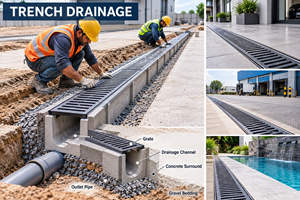
Poor Exterior Drainage
Blocked gutters, short downspouts, and ground surfaces sloping toward the building can increase moisture exposure.
Correcting drainage problems may reduce the amount of water reaching the foundation.
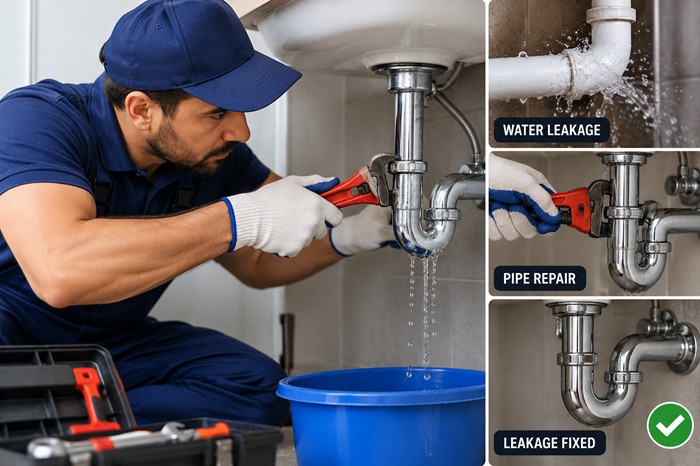
Plumbing Failures
Leaking supply pipes and drainage connections can release water into concealed areas.
These problems require different repairs from groundwater intrusion.
What to Do When You Discover a Leak
Avoid entering flooded areas where electrical hazards may be present.
If the problem involves a clean-water supply leak, isolate the water when safe.
Do not handle suspected sewage without suitable precautions.
Move unaffected belongings away from moisture and document visible damage.
Why Drying Alone Is Not Enough
Removing standing water addresses the immediate symptom, but it does not stop an active leak.
Wet building materials may also retain moisture after the surface appears dry.
The source must be corrected, and affected materials should be assessed for appropriate drying or removal.
Understanding Repair Options
Searching for basement leaking repair near me can lead to different approaches.
Localized foundation cracks may require suitable sealing methods.
Recurring groundwater seepage may involve drainage improvements or waterproofing measures.
Plumbing-related leaks require attention to the damaged connections.
There is no single method appropriate for every basement.
Preventing Recurring Moisture
Inspect basement walls after major rainfall and maintain gutters and downspouts.
Keep window wells clear and monitor floor drains for unusual behaviour.
Control indoor humidity and investigate persistent musty odours.
When seeking local basement leak assessment, describe the location, timing, and appearance of the moisture.
Conclusion
Searching for basement leaking repair near me should lead to a careful investigation rather than a temporary surface fix. Groundwater, plumbing failures, drainage backups, and condensation require different responses. By documenting symptoms, addressing the actual source, and maintaining surrounding drainage, homeowners can reduce recurring leaks and protect their basement spaces.