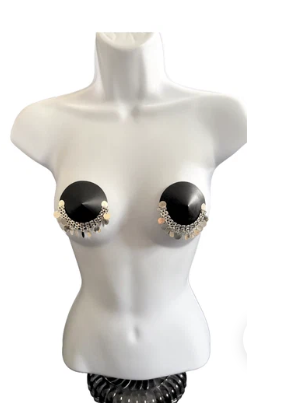
Burlesque has long celebrated theatrical storytelling, expressive movement, elaborate costumes, and playful sophistication. Every detail contributes to the atmosphere, from dramatic lighting to carefully selected decorative elements. Small costume accents often carry as much visual significance as larger garments.
The tradition of pasties burlesque reflects this attention to detail. These decorative coverings have become recognizable features of performance fashion, combining artistry, movement, and personal expression.
The Cultural Significance of Burlesque Styling
Burlesque developed through traditions of theatrical entertainment, satire, dance, and elaborate stage presentation.
Over time, costume design became an important part of its visual identity.
Decorative pasties emerged as one element of this expressive aesthetic, often complementing elaborate garments and choreographed performances.
Costume as Storytelling
A successful burlesque costume communicates a particular mood or character.
Soft fabrics and delicate embellishments might suggest romance, while dramatic shapes and bold contrasts can communicate confidence and theatrical energy.
Pasties contribute to this visual language through their shape, texture, and placement.
How Pasties Burlesque Designs Create Visual Impact
Performance styling differs from everyday fashion because the audience often views the costume from a distance.
Details must work within the broader stage composition.
Classic Shapes and Silhouettes
Circular and heart-inspired shapes have a longstanding association with theatrical glamour.
Their recognizable outlines can complement many costume themes.
Geometric and unconventional shapes offer alternatives for more experimental presentations.
Decorative Textures
Sequins, reflective surfaces, fringe, and layered embellishments can introduce visual complexity.
These textures interact with lighting and movement, helping create a dynamic stage appearance.
However, excessive decoration may interfere with comfort or distract from the intended costume design.
The Relationship Between Movement and Decoration
Burlesque frequently uses controlled gestures and expressive choreography.
Costume elements can reinforce these movements when selected thoughtfully.
Understanding Tassel Movement
Tassels introduce motion that follows the performer’s movements.
Their length, flexibility, and weight affect how they respond.
Practicing with the complete costume helps performers understand the resulting visual effect.
Balancing Decoration and Mobility
Costumes should support rather than restrict movement.
Lightweight materials and secure construction are particularly important during active routines.
An attractive design becomes less effective if it requires constant adjustment.
Developing a Cohesive Burlesque Costume
Start with the performance’s overall theme.
Consider the music, lighting, movement, and emotional tone before selecting individual decorative details.
Coordinate Shapes and Colors
Repeating certain shapes or colors throughout the costume can create visual consistency.
For example, rounded accessories may complement soft silhouettes, while angular details can reinforce a more dramatic aesthetic.
Consider the Viewing Distance
Tiny decorative features may disappear under stage lighting or when viewed from the back of an audience.
Clear shapes and appropriately sized embellishments often communicate more effectively.
Practice the Complete Look
Rehearsing in the intended costume reveals practical challenges that may not be obvious during initial fitting.
Pay attention to movement, comfort, and whether decorative elements remain securely positioned.
Skin Safety and Performance Preparation
Adhesive designs require careful application.
Use clean, dry skin and follow the recommended instructions.
Avoid damaged or irritated areas, and discontinue wear if discomfort develops.
For performances involving repeated costume changes, allow appropriate time for gentle removal and skin recovery.
Conclusion
Pasties burlesque styling represents a distinctive combination of theatrical heritage, creative expression, and costume craftsmanship. These decorative elements help communicate character, complement choreography, and contribute to the visual atmosphere of a performance.
The most successful designs balance dramatic appearance with practical comfort. By considering shape, movement, materials, and overall costume coordination, performers can develop expressive looks that honor burlesque traditions while reflecting their own artistic identities.