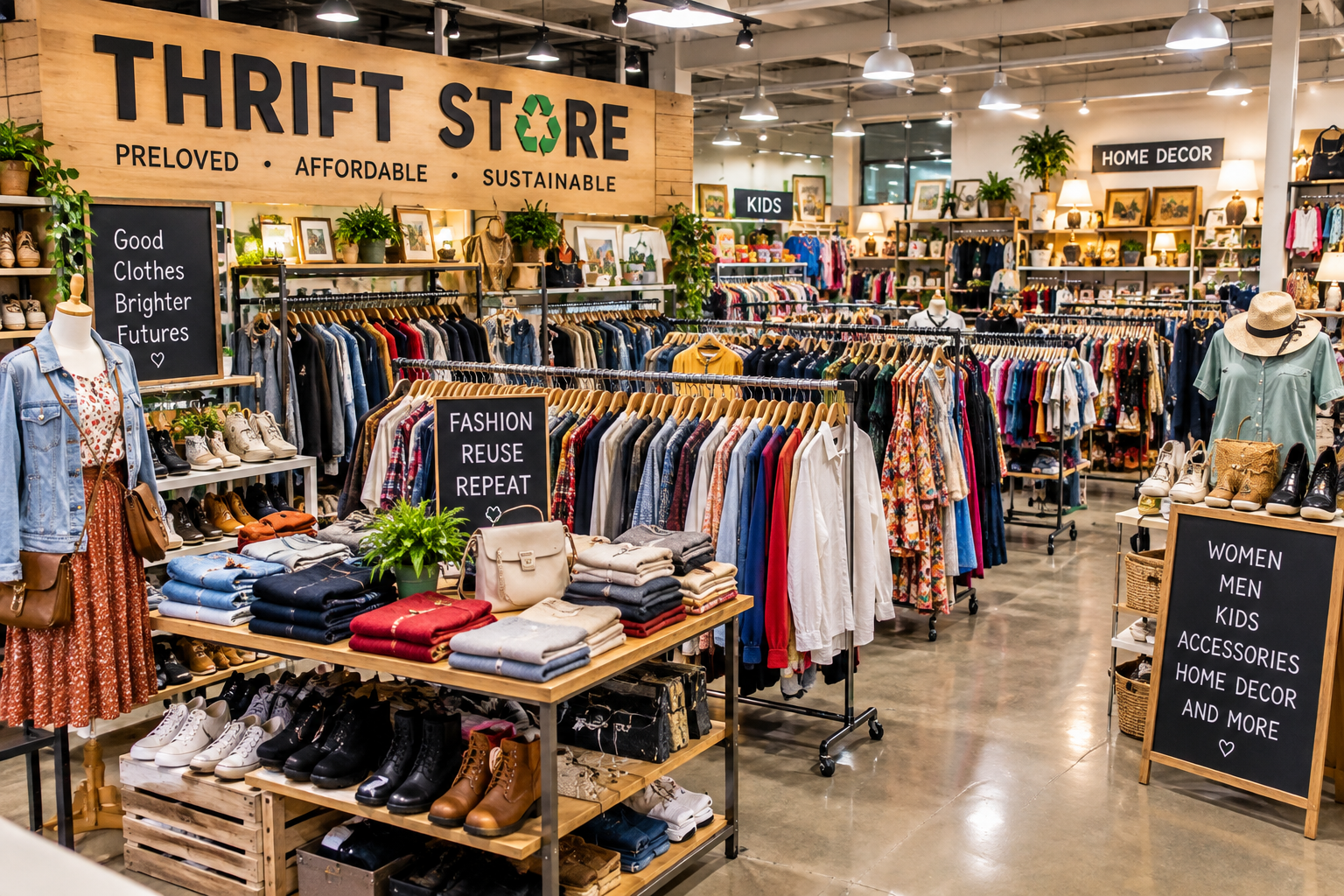
Every season brings different clothing needs. Lightweight fabrics become useful during warmer weather, while sweaters, jackets, and comfortable layers become essential as temperatures fall.
Updating your wardrobe for changing seasons doesn’t mean replacing everything you own.
A second hand clothing store can help you discover seasonal garments that complement your existing collection while encouraging a thoughtful approach to fashion.
Understand Your Seasonal Wardrobe Needs
Before searching for additional clothing, review what you already own.
Separate garments according to the weather conditions in which you typically wear them.
This helps identify genuine wardrobe gaps rather than encouraging unnecessary purchases.
Review Clothing From Previous Seasons
Examine garments that have been stored away.
Check whether they still fit comfortably and remain in suitable condition.
Some pieces may only need washing, minor repairs, or a different outfit combination.
Keeping useful clothing in circulation reduces the need for additional garments.
Refresh Your Spring Wardrobe
Spring often involves changing temperatures, making flexible layers especially useful.
Visiting a second hand clothing store can introduce you to different fabrics, colours, and clothing styles.
Choose Lightweight Layers
Cardigans, breathable shirts, and comfortable jackets can help accommodate unpredictable weather.
Select pieces that work with clothing already in your wardrobe.
A neutral outer layer can complement several outfits without requiring additional matching garments.
Introduce Fresh Colours
Spring offers an opportunity to experiment with lighter shades and interesting patterns.
You don’t need to change your entire wardrobe to create a seasonal appearance.
A colourful shirt or patterned accessory can refresh familiar outfits.
Prepare for Comfortable Summer Dressing
Warm-weather clothing should prioritize breathability and comfort.
Consider Fabric and Fit
Lightweight cotton, linen, and other breathable materials can be suitable for warmer conditions.
Choose garments that allow comfortable movement.
Pay attention to fabric condition, especially around areas exposed to frequent washing and wear.
Focus on Versatile Essentials
Simple tops, comfortable trousers, and lightweight shirts can create multiple outfit combinations.
A second hand clothing store may offer different cuts and styles, allowing shoppers to explore options beyond current seasonal trends.
Choose garments based on their usefulness rather than appearance alone.
Transition Into Autumn With Layering
Autumn wardrobes often benefit from clothing that works across varying temperatures.
Combine Textures Thoughtfully
Sweaters, denim jackets, and long-sleeved shirts can create comfortable layered outfits.
Mixing textures adds visual interest while helping you adapt to changing weather.
Look for pieces that fit comfortably over one another.
Inspect Knitwear Carefully
Check sweaters for excessive pilling, stretched cuffs, loose threads, and damaged seams.
Consider the care requirements of different fabrics before selecting them.
Well-maintained knitwear can remain useful across multiple seasons.
Prepare for Winter Conditions
Winter clothing should provide suitable protection against cold temperatures.
Examine Outerwear Thoroughly
When exploring a second hand clothing store for winter garments, inspect insulation, lining, closures, and fabric condition.
Check that zippers and buttons work properly.
Choose outerwear appropriate for your local climate and daily activities.
Build Outfits Around Warm Layers
Comfortable base layers, sweaters, and suitable outerwear can work together to improve warmth.
Avoid choosing bulky garments that restrict movement or make layering uncomfortable.
Make Seasonal Shopping More Sustainable
Planning ahead can reduce unnecessary wardrobe changes.
Store off-season garments properly, repair manageable damage, and reconsider clothing before replacing it.
Develop a Seasonal Checklist
Keep a short list of garments you genuinely need.
Review the list before each shopping visit.
For local planning, this London, Ontario second-hand clothing shopping location can help you organize your visit.
Remember that second-hand availability changes, so patience is valuable when searching for specific seasonal pieces.
Conclusion
A second hand clothing store can make seasonal wardrobe planning more creative and practical.
By reviewing existing garments, choosing versatile layers, and examining clothing carefully, shoppers can prepare for changing weather without constantly rebuilding their wardrobes.
Thoughtful second-hand fashion supports personal style, clothing longevity, and more responsible everyday choices.