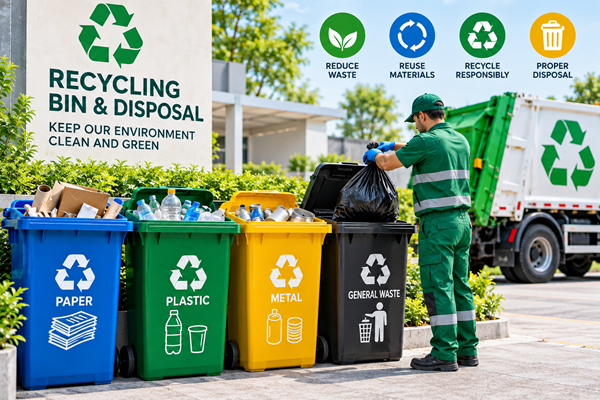
Waste management is an important part of almost every cleanup or renovation project. From removing old flooring to clearing accumulated household clutter, unwanted materials need a safe and organized collection method. Searching for a dumpster near me can help homeowners and contractors identify suitable options for handling larger waste volumes.
However, effective dumpster management depends on more than simply having a container available. Proper planning helps prevent overloading, improves worksite organization, and creates opportunities for responsible disposal.
Understanding Dumpster Requirements
Different projects generate different kinds of waste.
Residential Cleanup Projects
Garage cleanouts, basement organization, and moving preparations may produce furniture, packaging, and general household items.
These materials often vary in size and weight.
Remodeling and Renovation
Renovation work can produce cabinets, drywall, wood, flooring, and other construction materials.
Separating recyclable materials before disposal may improve recovery opportunities.
Commercial and Construction Activities
Larger projects may generate substantial amounts of debris over extended periods.
Waste collection arrangements should reflect project duration and expected material volumes.
Factors That Influence Dumpster Selection
Finding a dumpster near me becomes easier when project requirements are clearly defined.
Waste Volume
Estimate how much material will be removed.
Consider whether waste will accumulate gradually or during a single major cleanup.
Material Composition
Heavy materials such as concrete and masonry require different handling considerations than lightweight packaging.
Collection Accessibility
Ensure the container can be reached safely by collection vehicles.
Adequate clearance is essential for loading and removal.
How to Organize Waste Before Loading
A structured approach can make dumpster use more efficient.
Identify Reusable Items
Furniture, tools, and building materials that remain functional may be suitable for reuse.
Separating these items prevents unnecessary disposal.
Sort Recyclable Materials
Metal, cardboard, clean wood, and certain construction materials may qualify for recycling.
Keep these materials apart where practical.
Identify Restricted Waste
Chemicals, batteries, and other hazardous items may require specialized disposal arrangements.
Do not place them into general waste containers without confirming acceptance.
Maintaining Safety Around Dumpsters
Dumpsters can create hazards when improperly positioned or loaded.
Keep Surrounding Areas Clear
Avoid leaving loose debris around the container.
Maintain accessible pathways for workers and pedestrians.
Use Safe Lifting Techniques
Heavy objects should be moved with appropriate equipment or assistance.
Avoid throwing materials from unsafe heights.
Prevent Overloading
Follow container loading limits and avoid allowing waste to extend above permitted levels.
Secure lightweight materials when necessary.
Environmental Considerations
Responsible waste management includes identifying materials that can be recovered rather than discarded.
Construction and household cleanups may contain recyclable resources.
Separating these materials can reduce contamination and improve processing opportunities.
Before finalizing your disposal plan, review local dumpster and waste management information.
Planning for Smooth Collection
Coordinate collection around project milestones.
For example, demolition work may generate large amounts of debris early, while finishing activities produce smaller quantities later.
Understanding these patterns can help prevent overflowing containers.
Clear communication among everyone using the dumpster also reduces sorting mistakes.
Conclusion
Finding a dumpster near me is an important step toward managing large cleanup and construction projects effectively.
The best results come from understanding waste volume, choosing suitable collection arrangements, and following safe loading practices.
By combining careful planning with recycling and responsible disposal, homeowners and contractors can maintain cleaner, more organized project environments.